Roofing Tiles Compared: Which Types of Tiles Are Best for Norwalk Homes?
Understanding the Different Types of Tiles for Tile Roofing
Choosing between the different types of tiles for your roof can feel overwhelming. If you are planning a roof replacement, material choice matters. It affects cost, durability, and curb appeal.
Many homeowners exploring tile roofing in Norwalk, CA, want a system that handles heat, sun, and seasonal rain. Tile roofing is popular across Southern California for good reason.
Tile roofs last longer than many other systems. They offer strong protection and timeless style. The three main types of tiles include:
- Clay tiles
- Concrete tiles
- Specialty or synthetic tiles
Each option has strengths. Let’s break them down clearly.
Clay Tiles: Classic Style and Long Lifespan
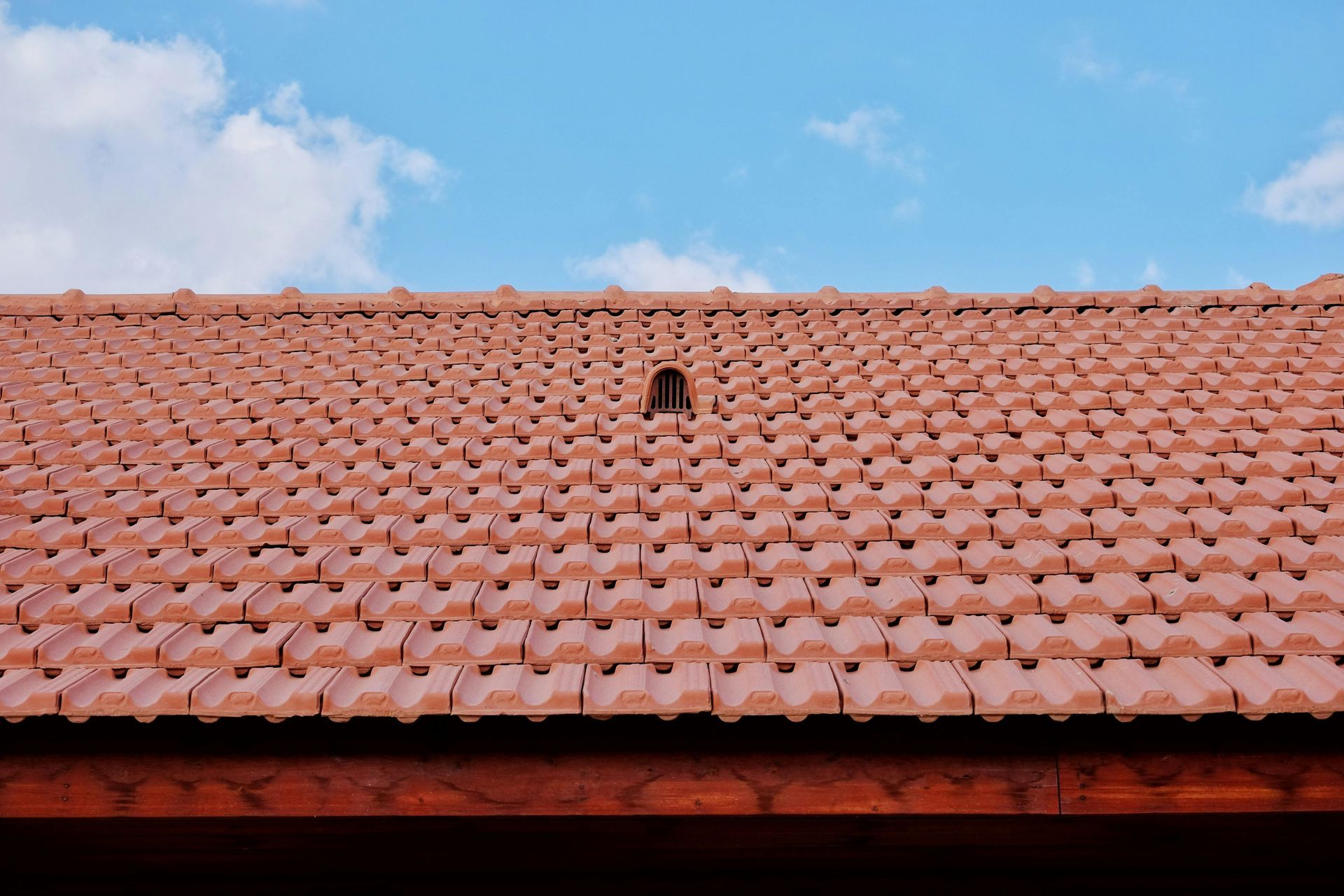
Clay tiles are one of the oldest roofing materials in the world. They are made from natural clay and baked at high heat. This process creates a dense and durable product. Clay tile roofing is known for its rich color. Many Norwalk homes feature red or terracotta tones.
Durability
Clay tiles can last 50 to 100 years. They resist sun damage well. This matters in Southern California, where UV exposure is constant. They also resist rot and insect damage.
Weather Resistance
Clay performs well in extreme heat. It also sheds water effectively during seasonal rain. During Santa Ana wind events, properly installed clay tiles can withstand strong gusts. Secure fastening is critical.
However, clay tiles can crack if hit by falling debris. When this happens, tile roof repair may be needed.
Cost and Weight
Clay tiles cost more upfront and are also heavy. Your roof structure must support the weight. Before installation, a professional should confirm the framing can handle the load. Structural review prevents costly problems later.
A heavy tile system installed incorrectly can cause structural stress. That is why inspection and proper installation matter.
Concrete Tiles: Strong and Budget-Friendly
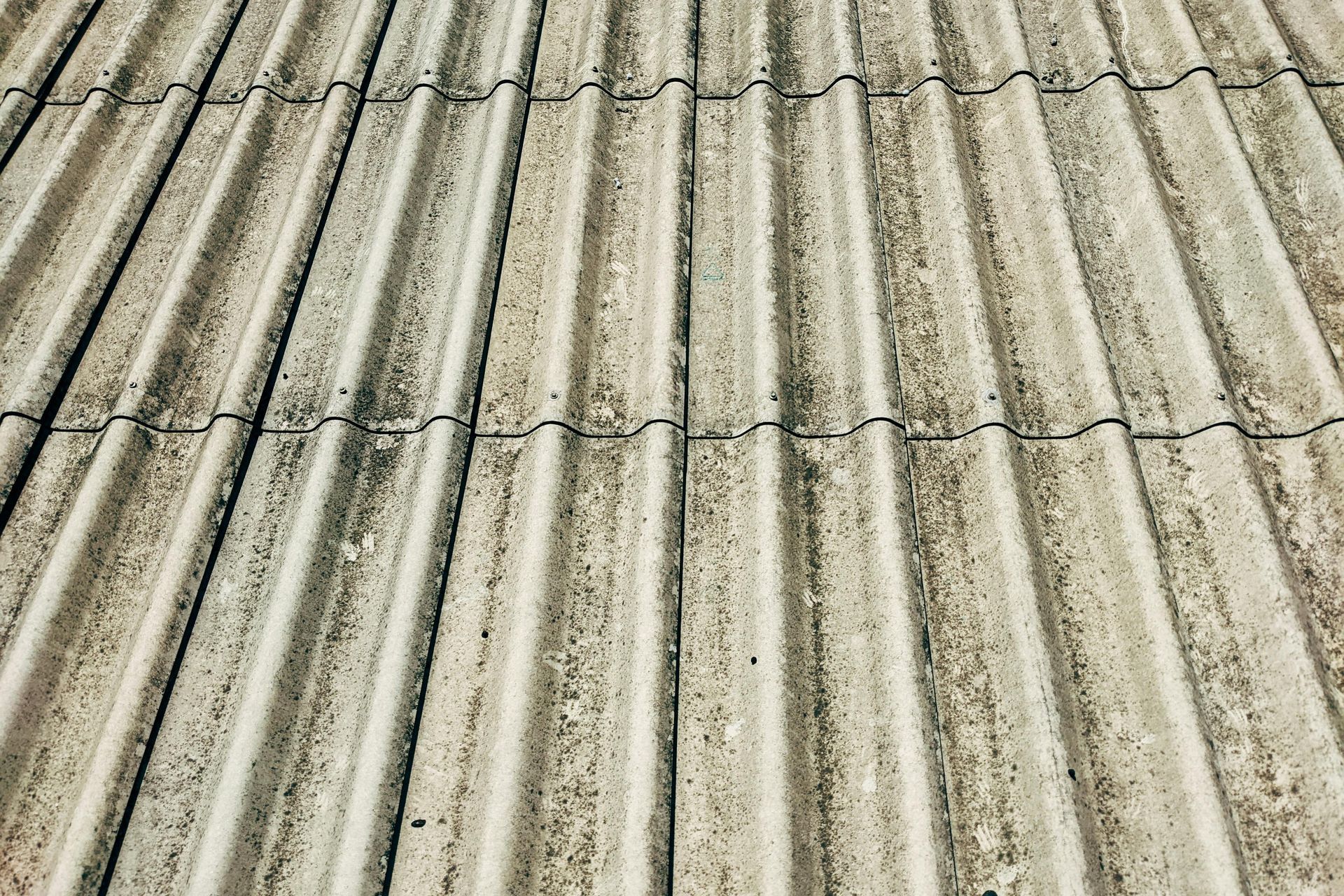
Concrete tiles are made from sand, cement, and water. They are molded into shape and cured for strength. Concrete tile roofing often looks similar to clay but costs less.
Durability
Concrete tiles typically last 40 to 60 years. They handle wind exposure well. Many products are rated for high wind zones. They may fade slightly over time. Protective coatings help reduce discoloration.
Maintenance
Concrete tiles are thicker than clay. They are less likely to crack during installation.
However, the underlayment beneath the tiles may need replacement sooner than the tiles themselves. A professional tile roofing company can inspect this layer during routine maintenance.
Cost
Concrete tiles are more affordable than clay. They offer strong value for homeowners planning a tile roof installation on a controlled budget.
Specialty Tile Materials: Composite and Synthetic Options

Specialty tiles are newer alternatives. They are often made from composite materials or engineered synthetic blends. These products are designed to mimic clay, slate, or even wood shake.
Lightweight Advantage
Synthetic tiles are lighter than clay and concrete. This reduces structural stress on the home. Homes that cannot support heavy materials may benefit from this option.
Style Flexibility
Specialty tiles come in many shapes and colors. Some closely resemble natural slate or Mediterranean clay. This gives homeowners more design flexibility.
Durability
Many synthetic tiles resist cracking and moisture damage. Lifespan varies by manufacturer. Most last 30 to 50 years.
Comparing the Types of Roof Tiles Side by Side
Here is a simple breakdown to compare roofing tile types:
| Feature | Clay Tiles | Concrete Tiles | Specialty Tiles |
|---|---|---|---|
| Lifespan | 50 to 100 years | 40 to 60 years | 30 to 50 years |
| Weight | Heavy | Heavy | Lightweight |
| Cost | Higher | Moderate | Moderate to High |
| Heat Resistance | Excellent | Very Good | Good |
| Wind Resistance | High (with proper fastening) | High | Moderate to High |
| Maintenance | Low | Moderate | Low to Moderate |
Each type performs well when installed correctly. The right choice depends on your home and budget.
Which Types of Roof Tiles Perform Best in Norwalk, CA?
Not all roofs face the same conditions. Norwalk homes experience strong sun, warm temperatures, and long dry seasons. Southern California’s climate puts constant UV stress on roofing materials.
During Santa Ana winds, roofs can experience high wind pressure. Secure fastening and proper underlayment installation become critical. Seasonal rain also requires reliable drainage. Local building codes require approved installation methods under the California Building Standards Code. Permit approval and city inspections help ensure safety and compliance.
An experienced tile roofing company understands Norwalk’s permit process and wind exposure standards. For most Norwalk homeowners, clay and concrete both perform well. The final choice often depends on budget, structural capacity, and design preference.
When to Consider Tile Roof Repair vs Tile Roof Replacement
Sometimes you do not need a full replacement.
Choose Tile Roof Repair When:
- Only a few tiles are cracked
- Damage is limited to one area
- The underlayment is still in good condition
A professional inspection can confirm the extent of damage.
Choose Tile Roof Replacement When:
- The underlayment has deteriorated
- Large sections of tile are damaged
- The roof is over 40 years old
- Leaks appear in multiple areas
A full tile roof replacement provides long-term protection. It also improves resale value and energy efficiency.
Choosing the wrong approach can lead to repeated repairs and higher long-term costs. Clear guidance removes that uncertainty.
Choosing the Right Tile Roofing Company
Material selection matters. Installation matters even more. Improper installation can significantly shorten the lifespan of your roof. An experienced contractor understands:
- Local building codes
- Permit requirements
- Wind ratings
- Structural weight considerations
- Underlayment systems
Vizcarra Roofing LLC is licensed and insured and backed by over 20 years of combined experience. The team has completed more than 300 roofing projects across Southern California. CSLB License No. 1123703.
Every project follows proper permitting and inspection procedures to ensure code compliance. Quality installation protects both your investment and your peace of mind.
Ready to Choose the Right Types of Tiles for Your Home?
Now you understand the main types of tiles available for your roof. Clay offers long life and classic beauty. Concrete provides strength at a lower price. Specialty tiles offer lightweight flexibility. The best option depends on your home’s structure and budget.
If you are considering tile roof installation, repairs, or full replacement, professional guidance makes the process easier. Vizcarra Roofing LLC helps homeowners compare options and choose the right solution for their property. Our team specializes in tile roofing in Norwalk, CA, and understands what works best in local conditions.
Call (562) 348-5505 to schedule a roof inspection today. Get clear answers and expert recommendations tailored to your home, and protect your home with confidence.
Frequently Asked Questions
How long does tile roofing last?
Clay tile roofing can last up to 100 years. Concrete usually lasts 40 to 60 years. Specialty tiles vary by brand.
Is tile roofing more expensive than shingles?
Yes. Tile roofing costs more upfront. It often lasts much longer, which improves long-term value.
Can broken tiles be repaired?
Yes. Isolated cracks can often be fixed with professional tile roof repair.
Do tile roofs work well in Norwalk, CA?
Yes. Tile performs well in hot climates with strong sun exposure. Proper installation ensures good rain protection.
How do I know if I need tile roof replacement?
If your roof is over 40 years old or leaking in multiple areas, replacement may be the better option. A professional inspection can confirm the condition.