Pros and Cons of Tile Roofing: Norwalk Homeowners' Guide
Understanding the Pros and Cons of Tile Roofing
Choosing the right roofing material is a major decision. Your roof protects your home, family, and long-term investment. Many homeowners begin by researching the pros and cons of tile roofing before upgrading. The material is known for durability, energy performance, and long lifespan. Still, it comes with higher upfront costs and structural considerations.
In sunny climates like Norwalk, this roofing system performs especially well. It reflects heat, resists fire, and outlasts many alternatives. If you are exploring options, learning more about tile roofing in Norwalk, CA, can help you decide if this upgrade fits your home and budget.
What Is Tile Roofing?
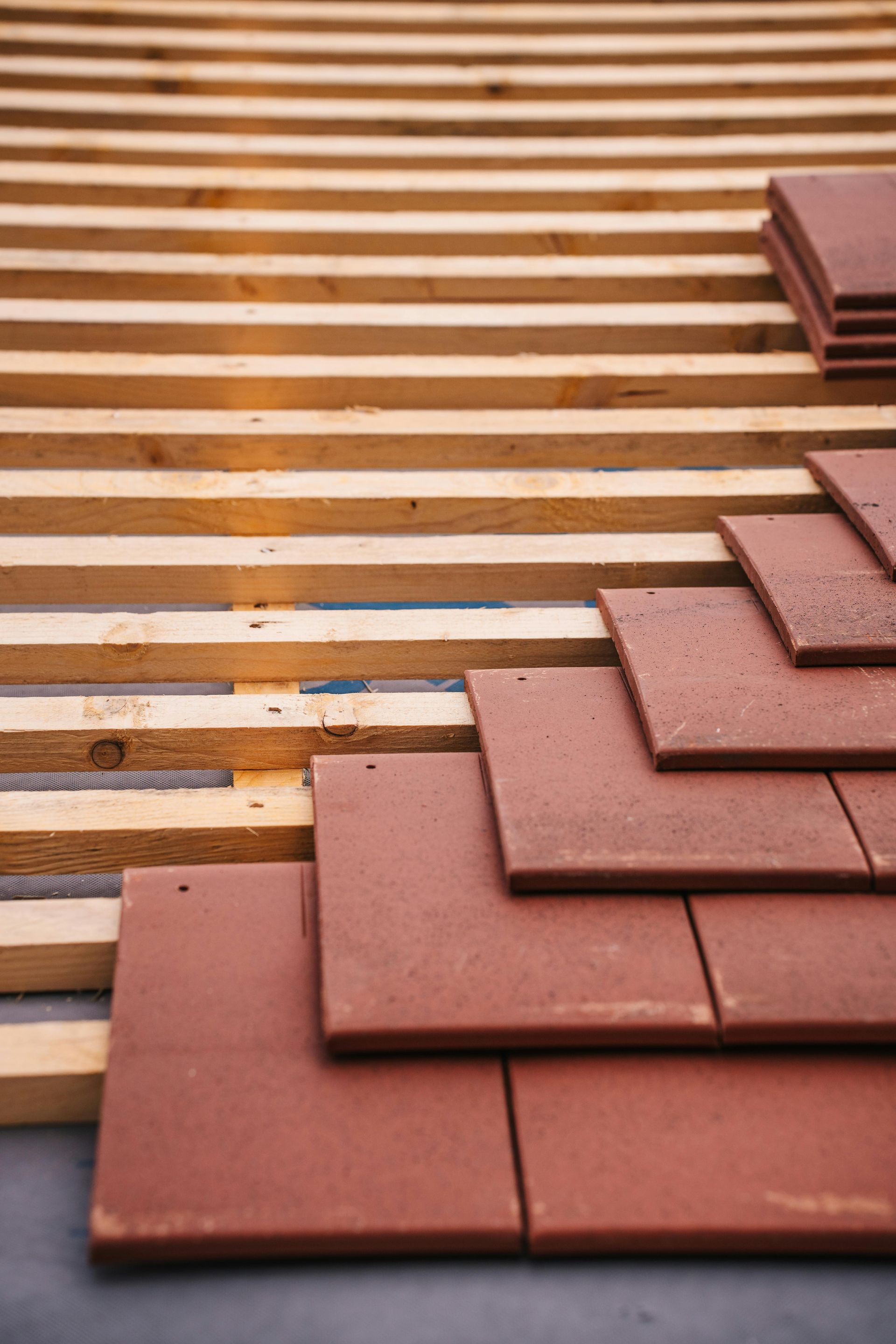
Tile roofing uses overlapping tiles to create a layered protective barrier. These tiles install over waterproof underlayment to block moisture. This material is common across Southern California. You often see it on Spanish-style and Mediterranean homes.
Common Types of Tile Roof Materials
There are three primary material options.
Clay Tiles
Made from natural clay and kiln-fired for durability. Known for their traditional reddish appearance.
Concrete Tiles
Heavier than clay but more budget-friendly. Available in many colors and profiles.
Composite or Synthetic Tiles
Engineered materials designed to mimic clay or slate at a lighter weight.
Why Tile Roofing Performs Well in Norwalk
Norwalk homes face intense UV exposure throughout the year. Constant sunlight accelerates wear on many roofing materials. Tile roofing reflects solar heat more effectively than shingles. Airflow beneath the tiles also reduces attic heat buildup.
Temperature swings across Southern California cause expansion and contraction. Tile roofing handles these shifts better than many alternatives.
Pros of Tile Roofing for Norwalk Homes
Homeowners often choose tile roofing for long-term performance and property value benefits.
1. Long Lifespan
Tile roofing can last 50 to 100 years. That lifespan significantly exceeds many other residential roofing systems. Fewer replacements reduce long-term ownership costs.
2. Fire Resistance
Clay and concrete tiles are non-combustible. They do not ignite from airborne embers. This provides added protection in fire-prone regions across California. Fire-resistant materials may also support insurance advantages.
3. Energy Efficiency
The system itself provides natural ventilation. Air circulates beneath the tiles, limiting heat transfer into attic spaces. This helps regulate indoor temperatures. Lower attic heat often reduces cooling costs during Norwalk summers.
4. Curb Appeal and Home Value
Few materials match the visual impact of tile roofing. It enhances architectural character and creates a premium exterior appearance. Buyers often associate tile roofing with durability and quality. This perception can increase resale value.
5. Weather and Sun Resistance
Tile retains its color and structural strength longer than many materials. It resists UV damage, insects, and rot. This makes it ideal for long-term exterior protection in Southern California climates.
Cons of Tile Roofing Homeowners Should Consider
Understanding the pros and cons of tile roofing helps homeowners set realistic expectations before investing.
1. Higher Upfront Cost
Tile roofing requires a larger initial investment. Material costs exceed many alternatives. Installation is also more specialized. However, the system often lasts two to three times longer than standard roofing materials.
2. Roof Weight Requirements
Tile roofing is significantly heavier than other systems. Some homes require structural reinforcement before installation. Load capacity must be evaluated first. A professional roof inspection determines whether framing upgrades are needed before tile roof installation begins.
3. Fragility Under Foot Traffic
Tile roofing is durable but not pressure-proof. Walking on tiles incorrectly can cause cracks. This is why trained technicians handle inspections and maintenance. Improper foot traffic often leads to avoidable tile roof repair.
4. Maintenance and Repairs
Tiles themselves last decades, but underlayment ages faster. The waterproof barrier beneath tiles may require replacement over time. Individual tiles can also shift or break. Routine inspections help detect issues early.
5. Limited DIY Repair Options
Repairs require specialized training. Matching tile profiles, lifting tiles safely, and resealing underlayment takes experience. Most homeowners rely on a professional tile roofing company.
How Long Does Tile Roofing Last?
One of the biggest advantages of tile roofing is lifespan. When installed and maintained properly, tile roofing can last 50 to 100 years. That makes it one of the longest-lasting residential roofing systems available.
In many cases, the tiles outlast the underlayment beneath them. This protective layer may need replacement after 20 to 30 years, but the original tiles are often reinstalled. For Norwalk homeowners, the dry climate helps extend the life of tile roofing even further.
Cost Factors to Consider With Tile Roofing
Upfront cost is one of the most important considerations. Tile roofing requires a higher initial investment due to materials and installation complexity. Structural planning may also be required.
However, tile roofing lasts significantly longer than most alternatives. Because replacement cycles are less frequent, many homeowners view it as a long-term investment. Energy efficiency can also offset costs over time by reducing cooling demands.
How Tile Roofing Compares to Other Roofing Materials
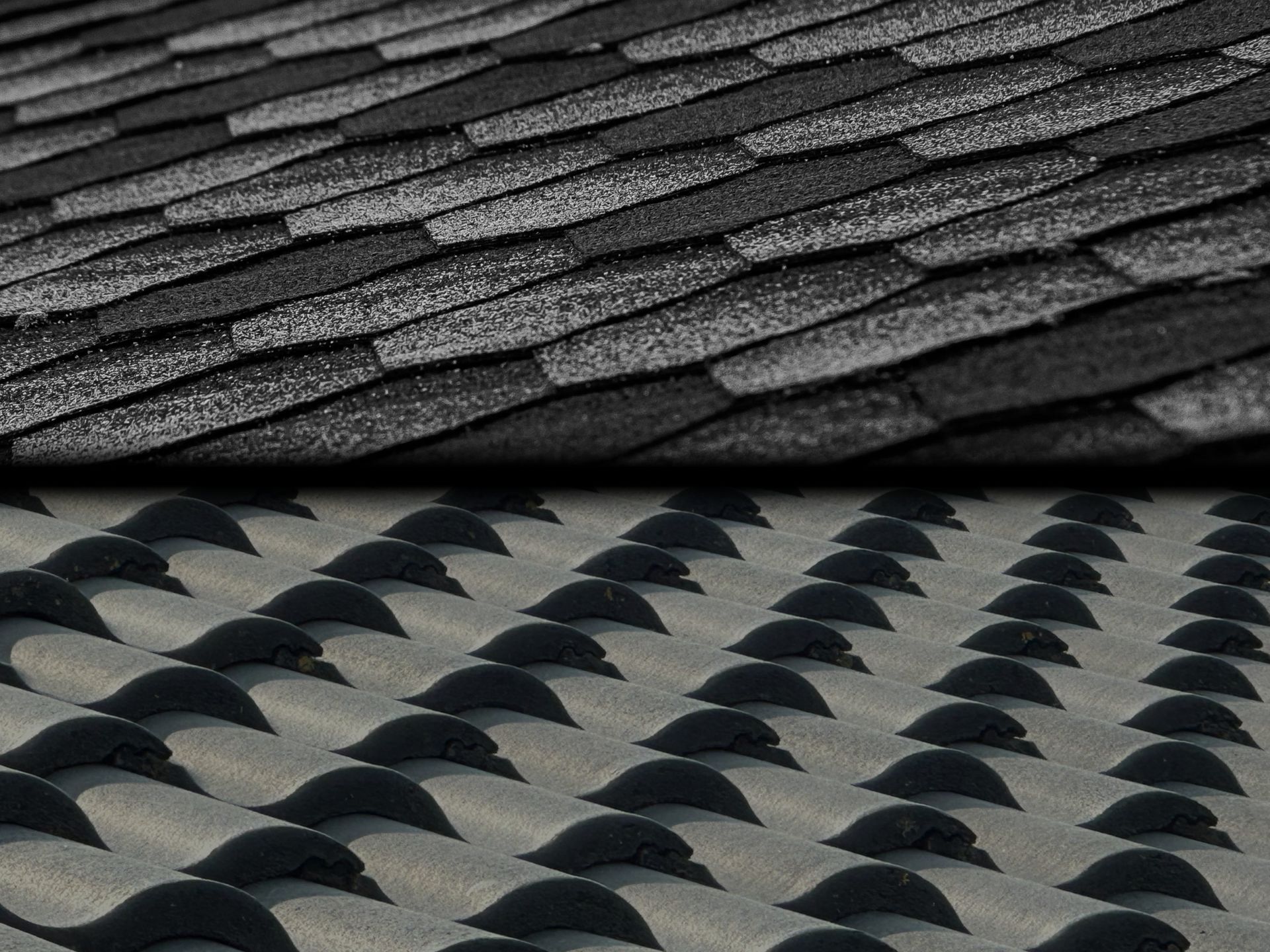
Homeowners often evaluate tile roofing against common alternatives. This comparison highlights key performance differences.
| Feature | Tile Roofing | Asphalt Shingles |
|---|---|---|
| Lifespan | 50 to 100 years | 20 to 30 years |
| Upfront Cost | Higher | Lower |
| Energy Efficiency | High | Moderate |
| Maintenance | Moderate | Moderate |
| Curb Appeal | Premium | Standard |
| Fire Resistance | Excellent | Lower |
Cost Comparison: Budget vs Long-Term Investment
Cost is usually the first concern for homeowners. 3-tab shingles cost less upfront. That makes them attractive for tight budgets. The tradeoff is a shorter replacement cycle. Architectural shingles cost more at installation. They often last longer and need fewer repairs.
Consider the long-term value:
- Lower upfront cost: 3-tab shingles
- Longer lifespan: architectural shingles
- Better curb appeal: architectural shingles
- Fewer repair issues: architectural shingles
Over time, dimensional shingles can offer stronger value for long-term homeowners.
Durability and Lifespan in Norwalk, CA Climate
When Tile Roof Installation Makes the Most Sense
Tile roofing works best for homeowners who:
- Plan to stay long-term
- Want premium curb appeal
- Live in high-heat climates
- Value durability over upfront savings
- Own homes built for heavier roofing materials
If these factors apply, tile roof installation may be a strong fit.
Signs You May Need Tile Roof Replacement or Repair
Watch for these warning signs:
- Cracked or missing tiles
- Water stains on ceilings
- Roof leaks after rain
- Mold in attic spaces
- Sliding roof tiles
Prompt tile roof repair prevents deeper structural damage.
Get Expert Help Evaluating the Pros and Cons of Tile Roofing
Understanding the pros and cons of tile roofing is the first step. A professional inspection provides the next level of clarity. Scheduling an evaluation now can prevent costly structural damage later.
Vizcarra Roofing LLC is licensed and insured, with 20+ years of combined experience and over 300 completed projects across Southern California. CSLB License No. 1123703. If you are considering upgrades, repairs, or replacement, explore your options for tile roofing in Norwalk, CA and request a professional inspection today by calling (562) 348-5505 or filling out our online form!
Frequently Asked Questions
How long does tile roofing last in Norwalk, CA?
Tile roofing can last 50 to 100 years with proper maintenance.
Is tile roofing more expensive than other materials?
Yes, upfront costs are higher, but lifespan often offsets the investment.
Do homes need reinforcement for tile roof installation?
Some do. Structural inspections determine load capacity.
How often does tile roofing need repair?
Repairs are occasional and usually involve cracked tiles or underlayment wear.
Can individual roof tiles be replaced?
Yes. Professionals can replace single tiles without full roof replacement.
How do I know if I need tile roof replacement?
Frequent leaks, widespread tile damage, or aging underlayment are common signs.