Pros and Cons of Modified Bitumen Roofing for Flat Roofs in Norwalk, CA
Is Modified Bitumen Roofing a Good Choice for Flat Roofs?
Flat and low-slope roofs need strong waterproof protection. Many property owners compare roofing materials before choosing a replacement. Understanding the pros and cons of modified bitumen roofing helps property owners make a smart decision. Modified bitumen roofing is commonly used on flat and low-slope buildings. The system offers layered protection designed to resist water and weather exposure.
Many property owners researching flat roof solutions also explore modified bitumen torch-down roofing in Norwalk, CA, to understand installation options and long-term durability. This guide explains how modified bitumen roofing works, its benefits, and some limitations to consider before installation.
Understanding the Pros and Cons of Modified Bitumen Roofing
Every roofing system has benefits and limitations. Modified bitumen roofing is known for durability and waterproofing strength. This roofing material uses asphalt-based membranes reinforced with fiberglass or polyester. These materials allow the roof to expand and contract during temperature changes.
When installed correctly, a modified bitumen roof can provide long-term protection for flat or low-slope structures. Property owners should understand both the benefits and limitations before choosing a roof.
What Is a Modified Bitumen Roof?
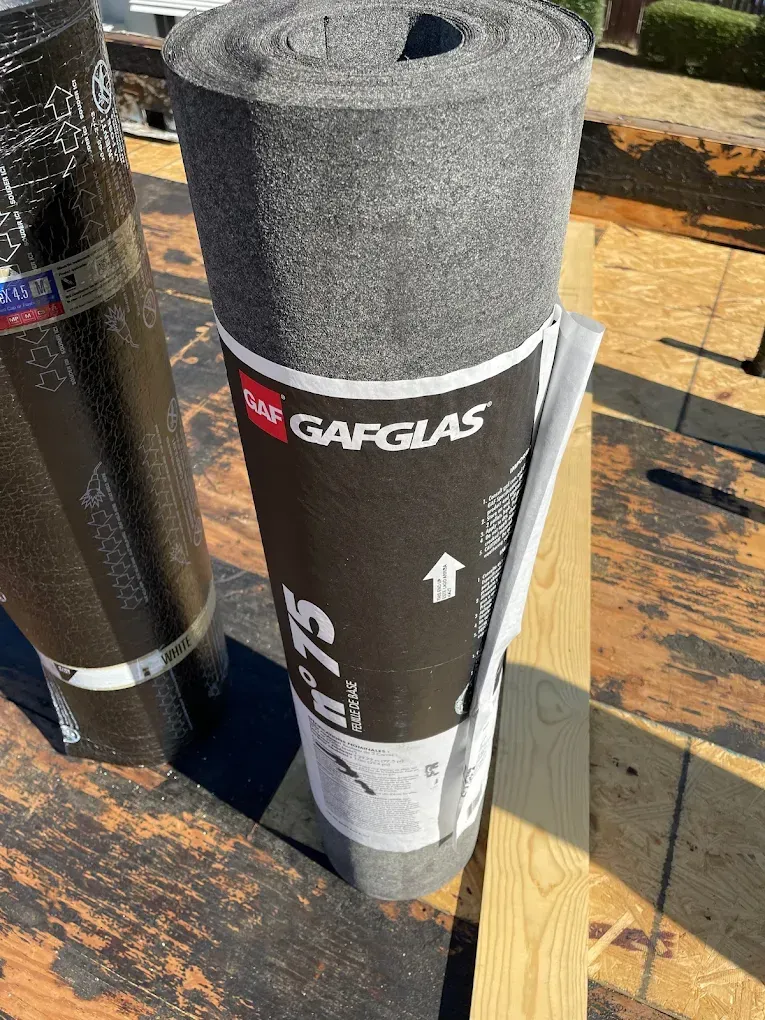
A modified bitumen roof is a multi-layer roofing system designed for flat roofs. The system uses sheets of asphalt-based membrane reinforced with durable materials. The asphalt is modified with additives that improve flexibility and strength. Two common types include:
- SBS (Styrene-Butadiene-Styrene) improves flexibility
- APP (Atactic Polypropylene) improves heat resistance
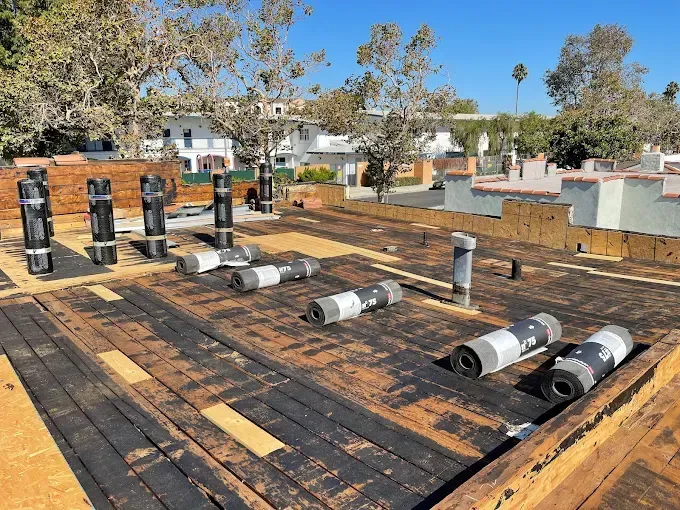
During modified bitumen roof installation, roofing professionals apply several layers of membrane across the roof deck.
One common installation method is modified torch down roofing. Heat bonds the membrane layers directly to the roof surface. This creates a durable roof waterproofing system designed to protect against leaks and moisture intrusion.
Key Benefits of Modified Bitumen Roofing
Modified bitumen roofing has protected flat roofs for decades. The system offers several advantages for homes and commercial buildings.
Strong Waterproof Protection
Flat roofs often experience standing water after rain. Roofing materials must prevent moisture from entering the building. According to the National Roofing Contractors Association guidelines, regular inspections and proper installation help flat roofing systems prevent water damage.
Modified bitumen membranes create a sealed flat roof membrane that helps stop water intrusion. Torch-applied seams fuse together to form a tight barrier. This helps protect the structure from leaks and long-term water damage.
Multi-Layer Durability
Most modified bitumen roofing systems include multiple protective layers. These layers improve resistance to weather exposure and material stress. The reinforced membranes also reduce the risk of tearing. This layered design helps the roof perform well for many years.
Puncture and Foot Traffic Resistance
Flat roofs often support HVAC equipment or other mechanical systems. Maintenance crews may walk across the surface. Modified bitumen membranes are thicker than many single-ply roofing materials. This helps them resist punctures and surface damage.
Long Service Life
A properly installed modified bitumen roof can last 20 to 30 years. Routine inspections and maintenance help extend the roof’s life even longer. For many property owners, this durability makes modified bitumen a dependable flat roof leak protection solution.
Common Limitations of Modified Bitumen Roofing
While modified bitumen roofing has many advantages, property owners should also consider a few limitations.
Installation Requires Skilled Contractors
Modified bitumen roofing must be installed correctly to perform well. Seams, flashing, and membrane placement require professional experience. Poor installation can lead to leaks or membrane separation. This is why hiring experienced roofing contractors is important.
Heat Application During Installation
Torch-down systems use heat to bond roofing membranes. This process requires specialized equipment and trained installers. Safety procedures must be followed carefully during installation. Professional installation helps ensure the roof performs properly.
Maintenance Is Still Necessary
Even durable roofs require regular inspections. Small issues such as seam damage or blistering should be repaired quickly. Routine maintenance helps prevent expensive roof repairs later.
Not Designed for Steep Roofs
Modified bitumen roofing works best on flat or low-slope roofs. Steeper roofs require materials that shed water quickly.
Modified Bitumen vs Other Flat Roofing Systems
Property owners often compare different roofing materials before making a decision. The table below highlights how modified bitumen compares to other commercial flat roofing materials.
| Roofing System | Durability | Installation Method | Best For |
|---|---|---|---|
| Modified Bitumen | High | Torch applied or adhesive | Flat and low-slope roofs |
| TPO | Moderate | Heat-welded seams | Commercial buildings |
| EPDM | Moderate | Adhesive or fastened | Large roof surfaces |
Each roofing material has advantages depending on the building design and climate. Modified bitumen stands out for its layered protection and strong waterproof performance.
When Modified Bitumen Roofing Makes Sense for Norwalk Properties
Roofing materials must perform well in local weather conditions. Norwalk properties experience strong sun exposure and occasional heavy rain. Flat roofs require materials that resist heat and prevent water intrusion.
Modified bitumen roofing performs well in these conditions. The reinforced membrane layers help handle UV exposure and temperature changes. This is one reason many property owners consider modified bitumen torch down roofing when replacing flat roofs in Southern California.
Signs Your Roof May Need Modified Bitumen Roof Installation
Flat roofs eventually wear down after years of exposure. Property owners should watch for warning signs that a roof may need replacement. Common signs include:
- Recurring roof leaks
- Ponding water after storms
- Blistering or cracked roofing membrane
- Loose seams or flashing damage
- Aging roofing materials
If these issues appear, a professional inspection can determine whether modified bitumen roof installation is the best solution. Replacing an aging roof early helps prevent interior damage and structural problems.
Considering Modified Bitumen Roofing for Your Norwalk Property?
Understanding the pros and cons of modified bitumen roofing helps property owners make informed roofing decisions. This roofing option provides strong waterproofing, puncture resistance, and multi-layer durability for flat roofs. At the same time, it requires proper installation and routine maintenance.
If you are exploring flat roof replacement options, learning more about modified bitumen torch down roofing in Norwalk, CA, can help you choose the best system for your property.
Vizcarra Roofing LLC is a licensed roofing contractor with over 20 years of combined experience and more than 300 completed roofing projects across Southern California. The team provides inspections, repairs, and full modified bitumen roofing installations for homes and commercial buildings.
Schedule a professional roof inspection today by calling Vizcarra Roofing LLC at (562) 348-5505 or by filling out our online form.
Frequently Asked Questions
What is modified bitumen roofing?
Modified bitumen roofing is a flat roofing system made from reinforced asphalt membranes. The layers create a waterproof barrier designed for flat and low-slope roofs.
How long does a modified bitumen roof last?
A modified bitumen roof typically lasts between 20 and 30 years. Proper installation and maintenance can extend its lifespan.
Is modified bitumen torch down roofing waterproof?
Yes. Torch-down systems heat the membrane during installation. This fuses the seams together and creates a strong waterproof barrier.
Is modified bitumen roofing good for residential roofs?
Yes. Modified bitumen roofing works well on homes with flat or low-slope roof sections. It provides strong protection against leaks and weather damage.
How much does modified bitumen roof installation cost?
Costs vary depending on roof size, materials, and existing roof condition. A professional inspection is the best way to determine accurate pricing.